
HomeProfessional Learning2026 MEMBERS FREE Webinar Series: Ediacara in the Classroom: Bringing Fossils to Life
Professional Learning
2026 MEMBERS FREE Webinar Series: Ediacara in the Classroom: Bringing Fossils to Life
Presenter: Sarah Todd, Coromandel Valley Primary School & Miriam Doull, Mitcham Primary School
Intended audience: primary (R-6) teachers, junior secondary (7-10) teachers, senior secondary (11-12) teachers
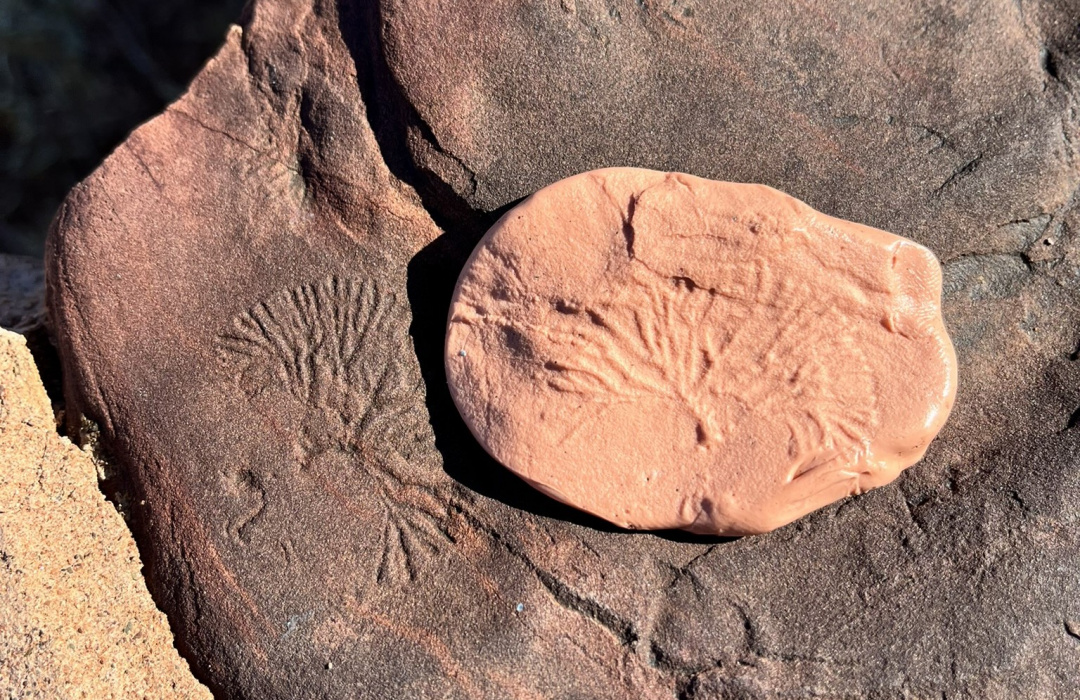
The Flinders Ranges of South Australia contain some of the world’s most significant Ediacaran fossil sites and visible geological record from the Ediacaran to the Cambrian, providing a powerful context for teaching deep time, early life, and Australia’s contribution to global science.
This presentation showcases teaching resources developed by South Australian primary and secondary educators who participated in the SASTA scholarship program to visit the active research site, supported by the Flinders Ranges Ediacara Foundation. Ranging from Years R- 10, the resources include hands-on fossil simulations, visual reconstructions of Ediacaran organisms, interactive timelines, and place-based learning materials linked to the Flinders Ranges and Nilpena Ediacara National Park.
Details
Date: Wednesday 17 June 2026
Time: 4.00pm - 5.00pm
Venue: Online
Bookings close: 16/06/2026
Event Pricing
| Type | Regular price |
|---|---|
| Personal Member (1 day) | $0.00 |
| Corporate Member - SA School (1 day) | $0.00 |
| Corporate Membership - Business or Interstate School (1 day) | $0.00 |
| 1st Year of Teaching Member (1 day) | $0.00 |
| 2nd Year of Teaching Member (1 day) | $0.00 |
| Student Member (1 day) | $0.00 |
| Joint Member (1 day) | $0.00 |
| Life Member (1 day) | $0.00 |
| Retired Member (1 day) | $0.00 |
| Complimentary Member (1 day) | $0.00 |
Description
Approaches for differentiating content across primary and secondary settings are highlighted, as well as Science as a Human Endeavour in action at Nilpena. The resources can support teachers to make concepts such as deep time, fossilisation processes, adaptations of living things, and early ecosystems accessible and engaging.
By empowering teachers through professional learning grounded in a globally significant local site, this work demonstrates how place-based education can foster curiosity, scientific literacy, and stewardship of Australia’s unique geological and palaeontological heritage.